
St John WA responds to rare lightning strike incidents
St John WA ambulance crews responded to three separate lightning strike incidents across Perth on Thursday, February 26 during intense storm activity.
While lightning strikes are uncommon in Western Australia, all such incidents are treated as Priority 1 emergencies.
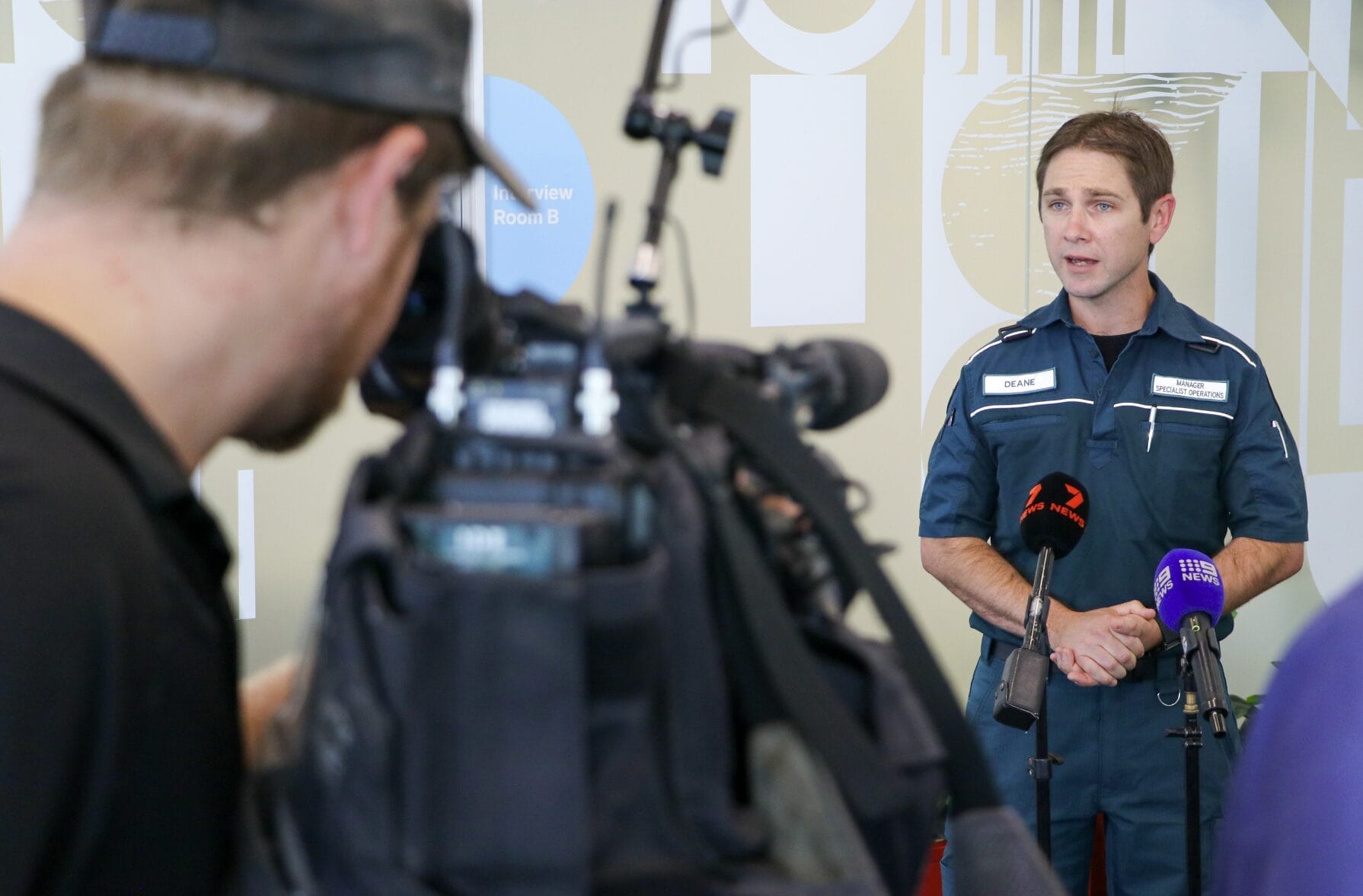
Special Operations Manager Deane Coxall said crews were immediately dispatched and assessed patients for potentially life-threatening complications.
“Lightning strikes can cause serious cardiac disturbances, burns and neurological injury,” he said.
“Our crews are trained to rapidly assess and manage these patients, including monitoring for dangerous heart rhythms and providing advanced life support where required.”
All patients were stabilised at the scene and transported to hospital under normal road conditions.
What to do if someone is struck by lightning
Deane said personal safety must always come first during electrical storms.
“If lightning activity is ongoing, make sure the area is safe before approaching,” he said.
“Once the strike has occurred, the person does not carry an electrical charge and can be safely assisted.”
If someone is struck by lightning:
- Call triple zero (000) immediately
- Follow DRSABCD – check for Danger, Response, Send for help, Airway, Breathing, CPR and Defibrillation.
- Begin CPR if the person is not breathing normally
- Use a defibrillator if one is available
St John call-takers are trained to provide step-by-step first aid instructions over the phone until paramedics arrive.
The St John WA First Responder App also includes guidance for electrocution injuries, which applies to lightning strike incidents, along with a wide range of other first aid information.
Deane acknowledged the important role members of the community can play in emergencies.
“Early action saves lives,” he said. “Calling triple zero quickly and beginning first aid where it is safe to do so can make a critical difference before ambulance crews arrive.”
St John WA’s thoughts are with the patients and their families, and is grateful for first responders who stepped in when faced with an emergency situation.
What you can do now