

Data reveals bystander first aid more likely in regions than metropolitan area
New data has revealed Western Australians involved in regional road crashes are more than twice as likely to receive bystander first aid than those in metropolitan Perth, prompting renewed calls for drivers to prepare before the Easter long weekend.
Analysis of motor vehicle crashes shows that in 2025:
- An average of 23.3 per cent of country road crashes had bystander first aid recorded.
- Fewer than 10 per cent of metropolitan Perth crashes had bystander first aid recorded.
St John WA Chief Emergency Officer Wil White said the findings highlighted the strength of regional community response and an opportunity for more drivers to be prepared.
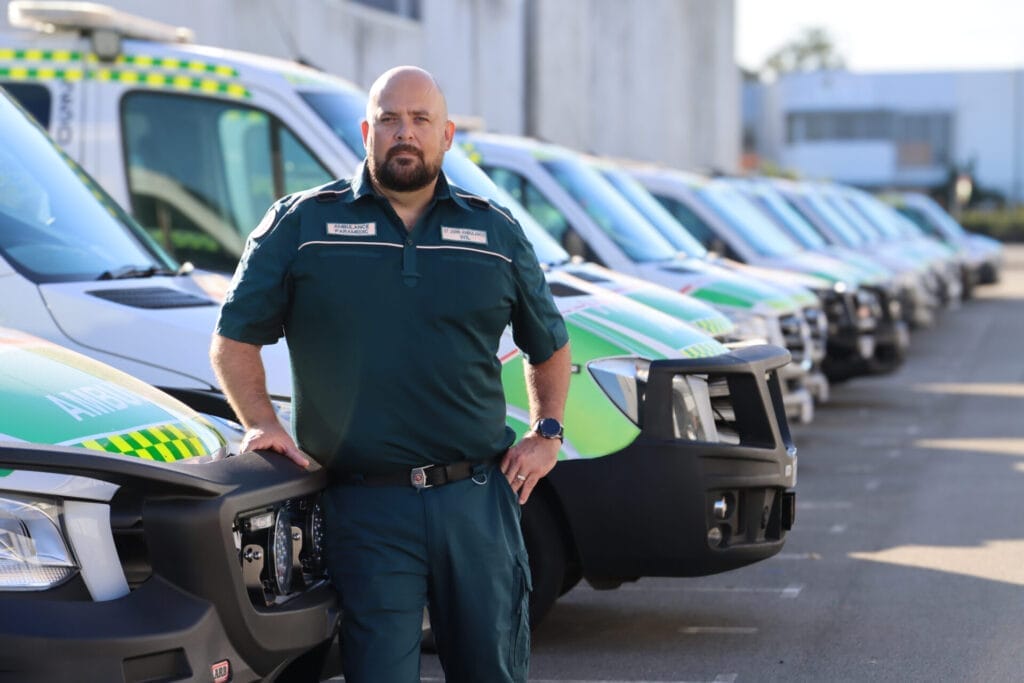
“Regional Western Australians regularly step in to help at crash scenes before paramedics arrive,” Mr White said.
“That willingness and confidence can make a meaningful difference in those first critical minutes.”
“With thousands of metropolitan drivers heading into regional areas this Easter, it’s important that everyone considers not just how to avoid a crash, but how to respond safely if one occurs.”
Easter is one of WA’s busiest road travel periods, with increased traffic volumes across country highways and regional routes.
St John WA is encouraging drivers to treat first aid preparation as part of their standard road trip checklist, alongside fuel, tyres and rest breaks.
“A well-stocked first aid kit should be in every vehicle,” Mr White said.
“Simple items such as gloves, compression bandages, trauma dressings and a thermal blanket can assist while emergency services are on the way.”
“Even basic knowledge — knowing how to keep someone’s airway clear, how to control bleeding, or how to reassure an injured person — can help prevent deterioration before paramedics arrive.”
St John WA trains more than 100,000 Western Australians in first aid each year and continues to advocate for first aid capability as part of shared road safety responsibility.
“Ambulances will always respond as quickly as possible,” Mr White said.
“But in many crashes, everyday people are first on scene. Being prepared means you’re ready to help safely until professional care arrives.”
Your Easter checklist:
- Refresh your first aid knowledge – especially the critical first steps after a crash. St John has two free 15-minute driver-focused courses to help brush up skills.
- Check your vehicle first aid kit (or add one) and make sure key items are in-date and easy to reach.
- Plan ahead by downloading the First Responder App for free access to first aid guides, access to the State Defibrillator Network map and more.
“We wish everyone a very happy Easter. Please stay safe on the roads,” Mr White said.